
Winemaker's Notes
Both wines come from the Scherrer Vineyard, but the Scherrer Vineyard designation bottling is from specific sections of the vineyard that seem to better express the unique site characteristics, while the Alexander Valley designation bottling is more open-structured and expresses the broader appellation style. Rootstock differences play a significant role in this.
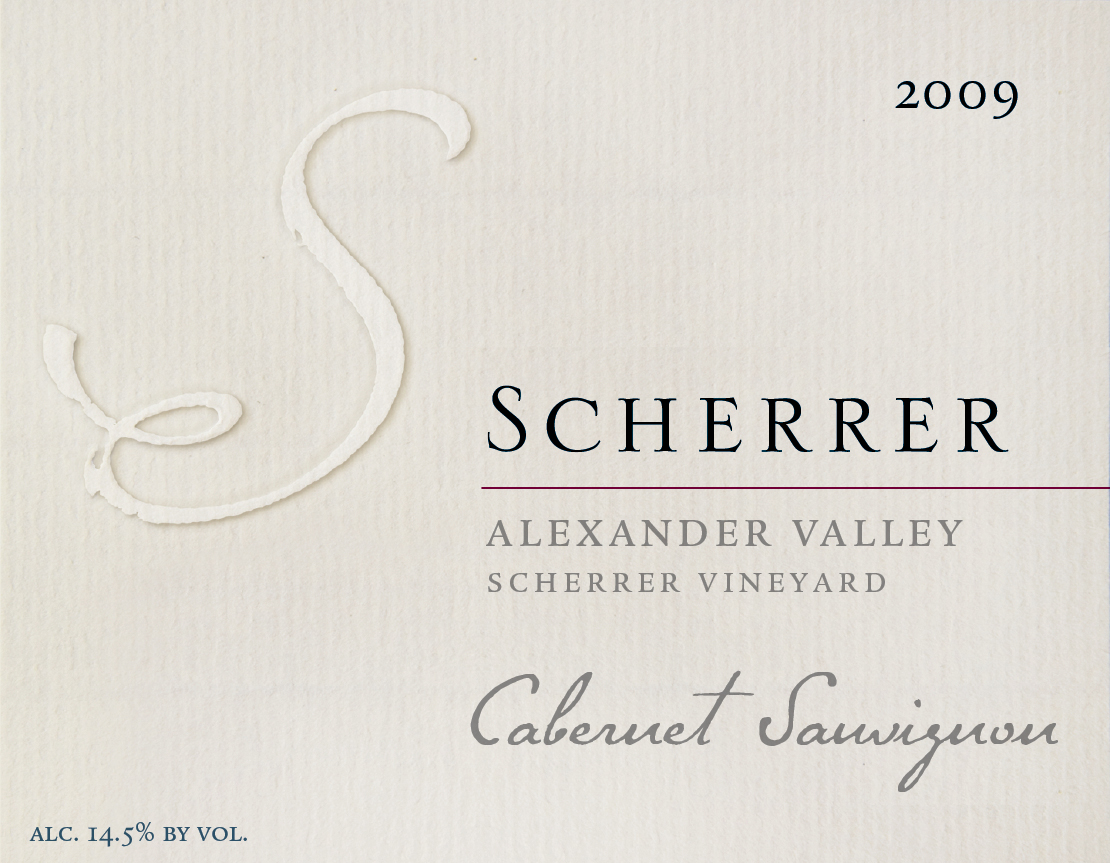
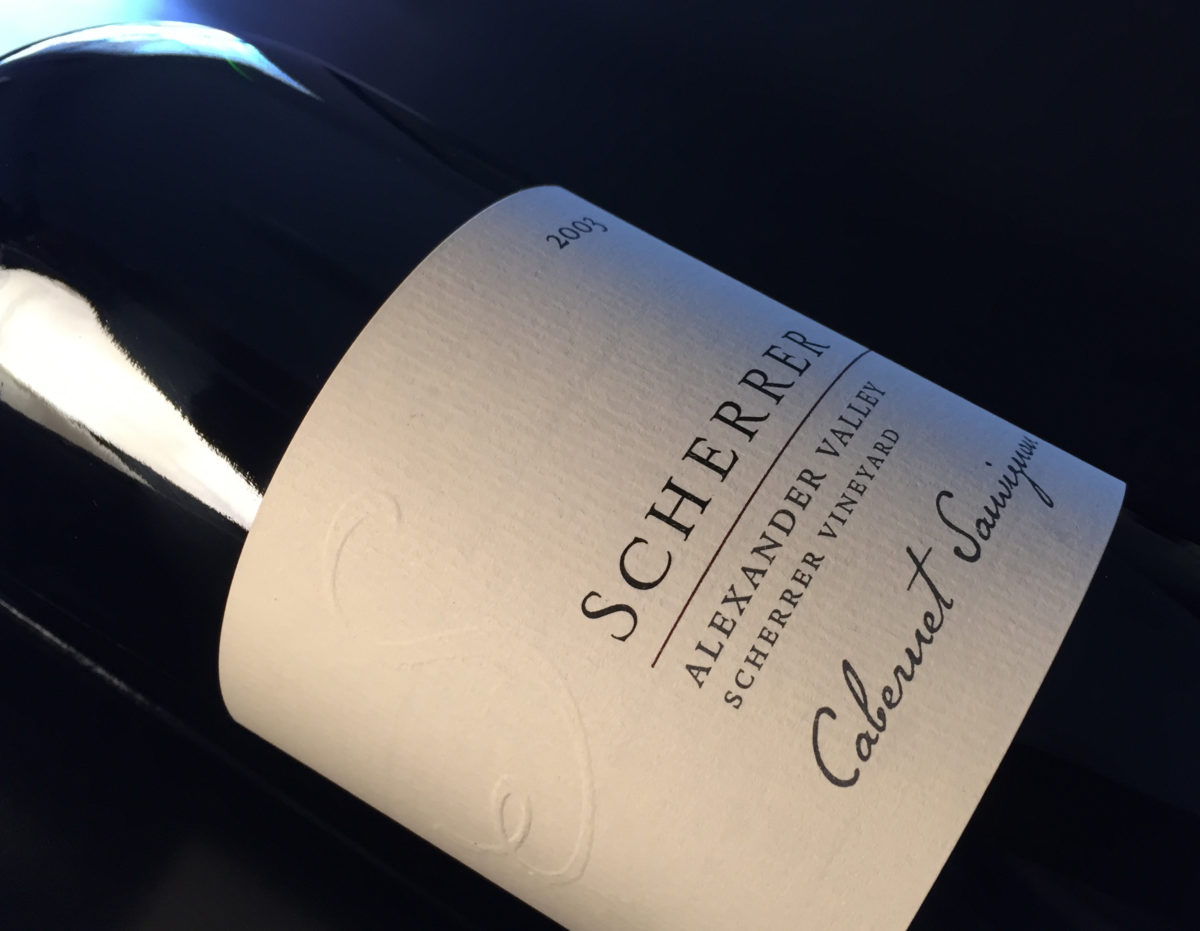
Alexander Valley Cabernet Sauvignon: This wine is blended from carefully selected vineyard sites (all within the family’s Scherrer Vineyard) to achieve overall balance and harmony, without necessarily expressing the hyper-specific geographic personality of a single block.
- Character: It is a slightly softer, rounder, and more open-structured manifestation of the varietal.
- Flavor Profile: More red fruits, red cherries, and herbal, cassis, and dill aromas, relying more on acidity and less on tannin for structure.
- Aging: This bottling tends to rely more on acidity for structure, allowing it to be more food-versatile and released sooner.
- Rootstock/Soil: This portion is typically from a section of the vineyard with more clay and a specific 140 Ruggeri rootstock.
Scherrer Vineyard Cabernet Sauvignon: This is a single-vineyard designate wine, where the chosen sections are selected because they express the site more thoroughly.
- Character: It is generally richer, deeper, and more concentrated than the Alexander Valley bottling, with a more pronounced tannic structure to meet the richness.
- Flavor Profile: It often presents classic cassis/violet/fresh-loam notes, dark cherry, plum, and black fruit.
- Aging: This wine possesses structure and balance that promises a very graceful evolution and long life, benefiting from significant bottle age.
- Rootstock/Soil: Planted on Vitis rupestris St. George. There is less clay in the soil than the adjacent blocks making up the Alexander Valley bottling